



Trick or Treat!
Unmask your ultimate glow this Halloween with scary-good deals and exclusive full-size treats.

![[Super Deal] K-Beauty Lucky Skincare Item](http://nuriglow.com/cdn/shop/files/K-BEAUTYMYSTERYPICK00.jpg?v=1785732488&width=2000)
[Super Deal] K-Beauty Lucky Skincare Item
Choose your option


Skin Reset & Renewal Set
Choose your option


Skin Recovery Trio
Choose your option
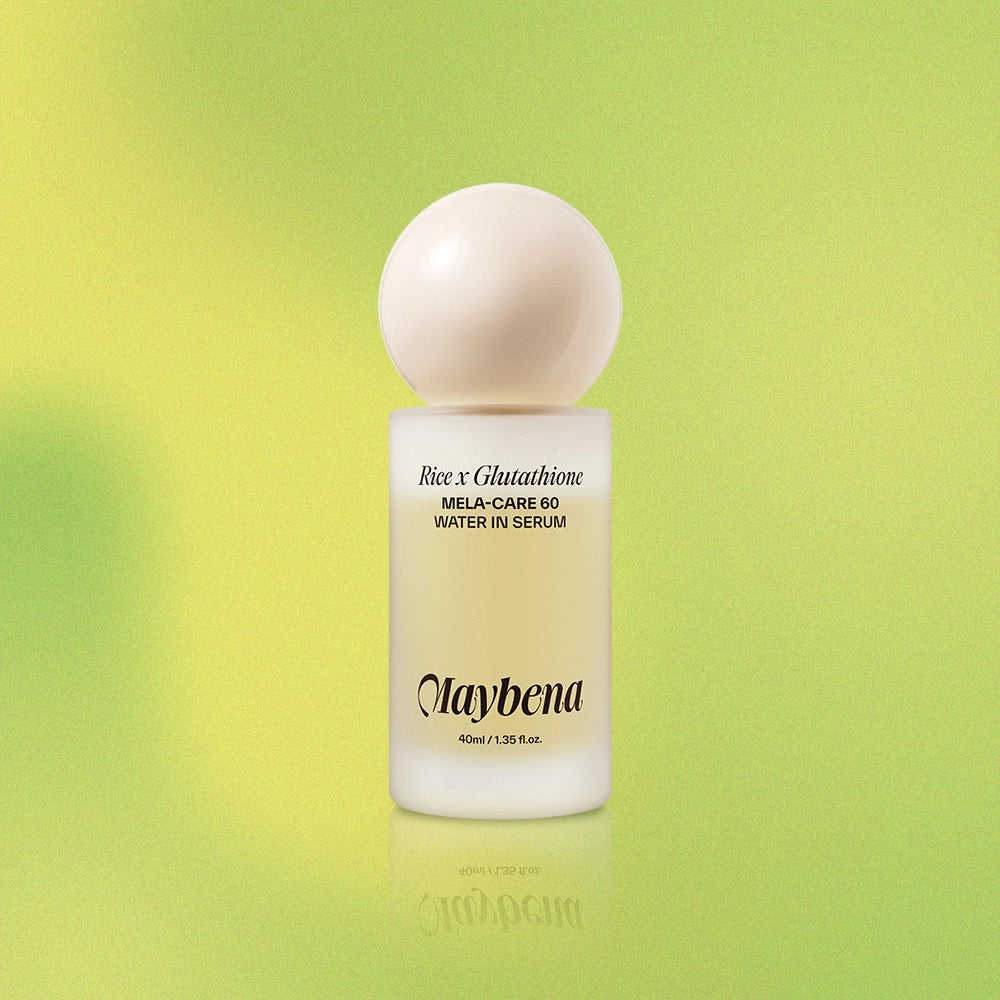

Rice x Glutathione mela-care 60 Water In Serum
Choose your option


Blooming Forever Rosé Serum
Choose your option


Choose your option


Blooming Essence Rose Mist
Choose your option

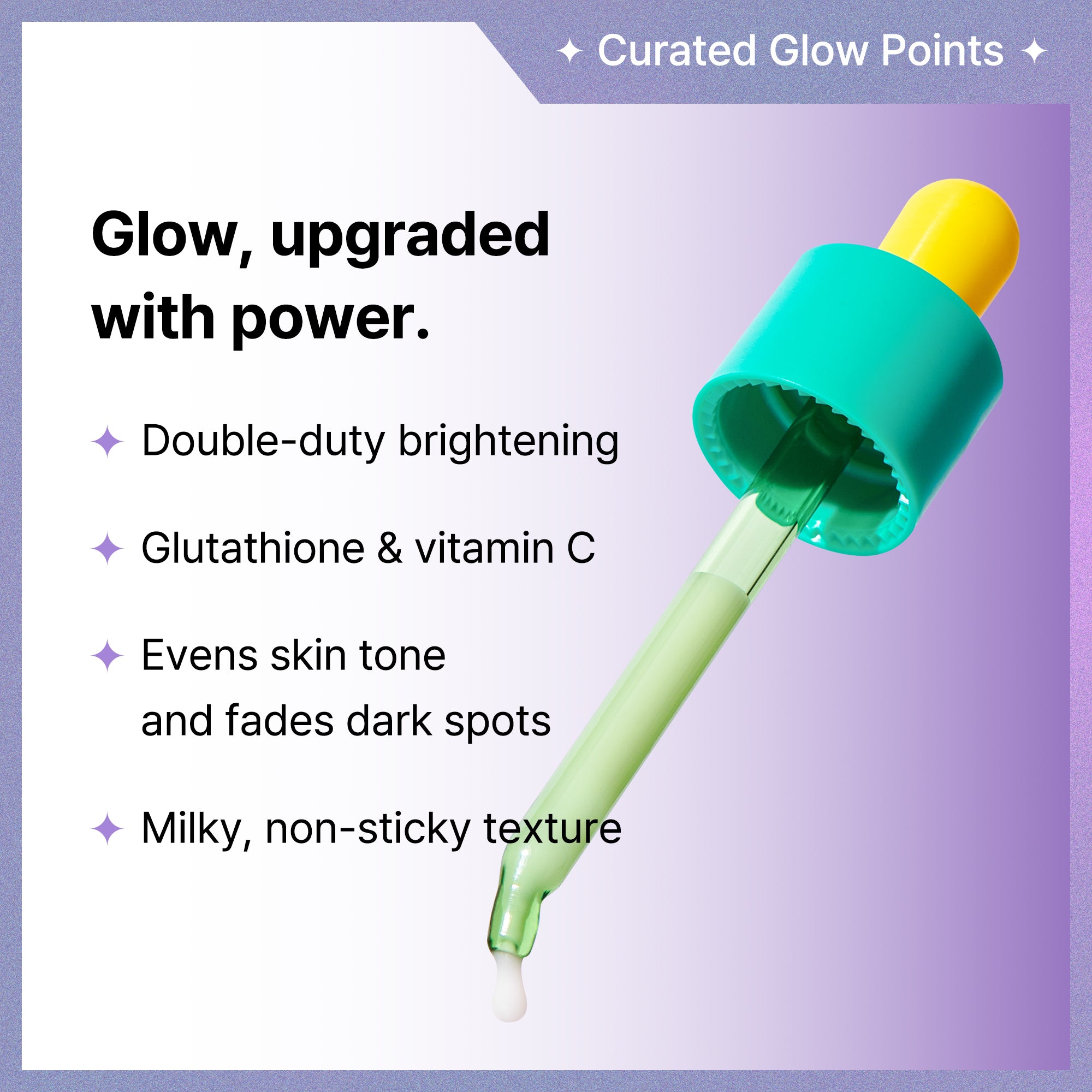
Glutathione Vitamin C Serum
Choose your option


Ginseng Berry Premium Cream
Choose your option


Bio Collagen-Real Deep Mask (4ea)
Choose your option


Ginseng Berry Premium Eye Cream
Choose your option


Glow Starter Set - Combination Skin
Choose your option
Curated by Creators
Explore exclusive picks from the creators we love.


Lily's Sweet Birthday Box
Choose your option
![[Dr.Zion X Nuriglow] The Reset Protocol by Dr.Zion](http://nuriglow.com/cdn/shop/files/Thumbnail_d9a66ca6-6fcf-4129-9ddd-d2dda48cd279.jpg?v=1784180711&width=2000)
![[Dr.Zion X Nuriglow] The Reset Protocol by Dr.Zion](http://nuriglow.com/cdn/shop/files/pageasset01_PeachMicrobiome78PDRNToner.jpg?v=1780986239&width=500)
[Dr.Zion X Nuriglow] The Reset Protocol by Dr.Zion
Choose your option
![[Dana x Nuriglow] Dana's 30th Birthday Box](http://nuriglow.com/cdn/shop/files/Dana_dealbox_color_01_71796c9f-fbef-4504-8c4a-37b308df3cd2.jpg?v=1773969469&width=2000)
![[Dana x Nuriglow] Dana's 30th Birthday Box](http://nuriglow.com/cdn/shop/files/Dana_dealbox_color_02_2311b726-8e02-4edc-80aa-53b1645b9882.jpg?v=1773969469&width=2000)
[Dana x Nuriglow] Dana's 30th Birthday Box
Choose your option
![[Nuriglow x Beauty Within] Felicia's Radiance Ritual Box💖](http://nuriglow.com/cdn/shop/files/Radiance_Ritual.png?v=1772677008&width=1000)
![[Nuriglow x Beauty Within] Felicia's Radiance Ritual Box💖](http://nuriglow.com/cdn/shop/files/Nuriglow_DealBox_Felicia_306dcc43-3eb5-4c48-bae9-f01c1203fccd.png?v=1772677008&width=1250)
[Nuriglow x Beauty Within] Felicia's Radiance Ritual Box💖
Choose your option
![[Yena x Nuriglow] Timeless Glow Routine](http://nuriglow.com/cdn/shop/files/YenaxNuriglow_TimelessGlowRoutine01.jpg?v=1773031527&width=2000)
![[Yena x Nuriglow] Timeless Glow Routine](http://nuriglow.com/cdn/shop/files/YenaxNuriglow_TimelessGlowRoutine02.jpg?v=1773031527&width=2000)
[Yena x Nuriglow] Timeless Glow Routine
Choose your option
Glow Play in Action
From shelves to skin—see the glow become yours.
Best Sellers
Our glow lovers' favorites, loved for a reason.


PeachMicrobiome 84 EGF Serum
Choose your option
[Dana x Nuriglow] Dana's 30th Birthday Box
Choose your option


Soft Dewy 9 Peeling Mask
Choose your option


PeachMicrobiome 78 PDRN Toner
Choose your option


Flash Reset 29 Peeling Mask
Choose your option


Choose your option
Rice x Glutathione mela-care 60 Water In Serum
Choose your option
Bio Collagen-Real Deep Mask (4ea)
Choose your option


Cotton Airy Sun Stick
Choose your option
[Nuriglow x Beauty Within] Felicia's Radiance Ritual Box💖
Choose your option


82% High Dose Peptide Formula
Choose your option


Juicy Berry Plumping Lip Oil
Choose your option
Curated by Nuriglow
Not sure where to start? Find the set that's made for you.


Choose your option
Skin Recovery Trio
Choose your option
Skin Reset & Renewal Set
Choose your option


Glow Starter Set - Normal Skin
Choose your option


Skin Rescue Set
Choose your option


Essential 3-Step Set
Choose your option


Discovery Glow Set
Choose your option


The Valentine Edition 01
Choose your option


Glow Starter Set - Dry Skin
Choose your option


Dull Skin Brightening Duo
Choose your option


Everyday Glow Set
Choose your option


Peach Balancing Core Duo
Choose your option

Globally-Fit
Made to meet international beauty standards – Effective, Safe, and Export-ready.

Ingredient-Clean
Formulated with transparent, safe ingredients your skin can trust.

Brand-Driven
We support brands with real stories and potential – not just trends.

Authenticity Guaranteed
All products are sourced through official brand partners and verified distributors to ensure authenticity.
G-log

Your Cozy-Season Body Ritual, Powered by Scent: The Korean Way to Layer Fragrance That Lasts
Your perfume isn’t the problem. Your canvas is. Here’s how Korean body care builds scent in layers, from the shower out. Introduction If your favorite perfume lasted all day in July but seems to vanish by lunch now, you’re not imagining it. Once the air turns cool and the heating comes on, body skin gets drier, and dry skin is a poor place for fragrance to live. Scent needs something to hold onto. Flaky, thirsty skin doesn’t give it much. In Korea, the answer isn’t a stronger perfume. It’s better body care. Over the past few years, body care there has gone through what’s often called skinification: the idea that the skin on your arms, legs, and shoulders deserves the same thought as your face. Body washes now come with ceramides. Lotions come with ferments and niacinamide. And scent isn’t an afterthought sprayed on at the end. It’s built into every step. That’s the heart of scent layering. Instead of one heavy spritz over bare skin, you build fragrance from the base up with a few products in the same or complementary scent families. Each layer is light on its own. Together, they create a scent that feels soft, close to the skin, and much more personal. Below is a four-step ritual that does exactly that, with one Nuriglow pick for each step: cleanse, smooth, moisturize, then mist. Step 1: Start the Scent in the Shower Most people think of body wash as the step that removes things. In a scent-layering routine, it’s the step that starts things. The wash sets your base note, the first layer every other product builds on. So it matters what it smells like, and it matters even more what it leaves behind on your skin. This time of year, that second part is easy to get wrong. Long, hot showers feel amazing on a cold evening, but hot water and harsh cleansers strip the oils your skin needs to stay comfortable. Start the ritual with a wash that cleans without that tight, squeaky feeling, and keep the water lukewarm. anillO Amber528 Scented Hand & Body Wash — $25.00 USD | 450ml Best for: Anyone who wants their shower to feel like the first step of a ritual, not a chore This wash opens bright, with citron and basil, then settles into a warm amber blend of cedarwood and patchouli. It’s the kind of scent that feels made for cooler evenings: clean enough for every day, cozy enough to linger. And because the lotion in Step 3 shares the same scent family, this is where your layering actually begins. The formula backs up the fragrance with real skincare. anillO uses 10.5% yuzu extract, rich in vitamin C, to help skin look brighter and more even with regular use. Hinoki cypress water and cactus stem extract add a fresh, calming feel, and a four-ceramide complex (NP, NS, AP, AS) with panthenol helps support the moisture barrier, so skin feels clean, not stripped. Massage a small amount over damp skin and rinse well. It’s vegan, cruelty-free, and clinically tested, and the 450ml bottle lasts long enough to make this a real everyday habit. Key ingredients: • Citrus junos (yuzu) fruit extract, 10.5% • Hinoki cypress water • Opuntia ficus-indica (cactus) stem extract • Ceramide complex (NP, NS, AP, AS) • Panthenol • Bamboo extract and baobab fruit extract pH: 6.2 Best used: Every shower, with lukewarm water 💡 Pro tip: Turn the temperature down a notch. Hot water feels great in fall, but it pulls moisture from your skin faster, which leaves fragrance less to cling to later. Step 2: Smooth the Canvas, Once a Week Here’s the step most body routines skip. Rough patches on elbows, knees, and heels are where dryness shows first, and they’re also where lotion and scent have the hardest time settling in. Built-up dead skin sits on top like a layer of dust. Moisturizer can’t spread evenly over it, and fragrance doesn’t sit as smoothly. Korean body care treats exfoliation the way it treats facial exfoliation: targeted, measured, and not every day. Once a week is plenty. The goal isn’t to scrub skin raw. It’s to give the rest of your routine an even surface to work on. LEPS Flash Reset 29 Peeling Mask — $23.00 USD | 105ml Best for: Rough, bumpy, or dull areas like elbows, knees, heels, and the back of the neck Despite the name, this isn’t a mask you sit around in. It’s a fast body peel built around a 29.11% exfoliating complex, and it works in 30 seconds. That complex combines three acid families: PHA (gluconolactone), the gentlest of the group; AHAs (lactic acid and glycolic acid) for surface smoothness; and LHA (capryloyl salicylic acid) for areas prone to rough, bumpy texture. It also includes 5% niacinamide, which helps the skin underneath look more even once the dull surface layer is gone. The result is skin that feels noticeably smoother after rinsing, and a far better base for the lotion and scent that come next. Because it’s high-strength, the instructions matter. Shake well, cleanse, then pat the area completely dry before you apply. Massage gently for no more than 30 seconds, and rinse thoroughly with lukewarm water. Key ingredients: • 29.11% exfoliating complex • Gluconolactone (PHA) • Lactic acid and glycolic acid (AHA) • Capryloyl salicylic acid (LHA) • Niacinamide, 5% Best used: Once a week, on clean, fully dry skin, for 30 seconds max 💡 Pro tip: Skip freshly shaved skin, and avoid other acids, retinol, or strong vitamin C on the same areas before and after. If your skin is sensitive, patch test first. Step 3: Lock In Moisture and the Base Note This is where your scent gets its staying power. Moisturized skin holds fragrance better than dry skin, so the lotion step does double duty: it’s your barrier care and your fragrance base in one. Timing matters, too. Lotion works best on skin that’s still slightly damp, not bone-dry. We broke down exactly why in our post-shower body care guide, but the short version is simple: towel off lightly and moisturize right away. anillO Amber528 Scented Hand & Body Lotion — $25.00 USD | 450ml Best for: Dry shins, forearms, and hands that feel tight once the weather turns This is the matching half of Step 1. The lotion carries the same yuzu, cedarwood, patchouli, and basil blend as the wash, so instead of two scents competing, the fragrance builds. It’s the simplest rule of scent layering: when your wash and lotion match, you get a stronger, smoother base without adding more product. Under the scent is a full skincare formula. Ceramide NP supports the barrier, while three ferments (bifida ferment lysate, lactobacillus ferment lysate, and streptococcus thermophilus ferment) and beta-glucan help keep skin feeling comfortable and resilient. Niacinamide and yuzu extract work on brightness and tone with continued use, and squalane plus sodium hyaluronate deliver hydration that doesn’t feel sticky or greasy. Massage it in until absorbed, then give the driest spots, like shins and elbows, a second pass. It’s vegan, cruelty-free, and free of parabens and silicones. Key ingredients: • Ceramide NP • Citrus junos (yuzu) fruit extract and yuzu seed oil • Bifida ferment lysate, lactobacillus ferment lysate, streptococcus thermophilus ferment • Niacinamide and adenosine • Squalane and sodium hyaluronate pH: 6.6 Best used: Right after showering, on slightly damp skin 💡 Routine tip: If you wear perfume, spray it after this step. A moisturized base helps it last, and warm amber pairs well with most florals and woods. Step 4: Finish With Scent That Moves With You Here’s a layering secret: your hair carries scent better than almost anything. Every time you turn your head, pull on a scarf, or walk past someone, it moves the air around you. That’s why a scent on your hair often gets noticed more than one on your wrists. This last step adds your top note. The body products have already set a warm, woody base. Now you add something lighter on top. Pairing woods with florals is one of the easiest combinations to get right, which makes this a good place to start if you’ve never layered scent before. anillO Rosy Night Parfum Hair Mist — $31.30 USD | 100ml Best for: Anyone who wants scent that lingers around them, not just on their skin This mist wraps hair in a soft, musky rose, and layered over the amber from Steps 1 and 3, it turns your routine into a cozy woody-floral blend that feels warm without being heavy. It’s also a real hair care step, which is what separates it from spraying perfume on your hair. The formula includes Damask rose flower extract, rosehip oil, and argan oil for shine, plus ceramide NP and phytosphingosine to support hair’s moisture barrier. A peptide blend and hydrolyzed proteins round it out, and the brand uses nine lightweight oils so the finish stays non-greasy. Hold it a few inches from your head and spray two or three times from root to tip. It works on wet or dry hair, so you can use it right after the shower or as a refresh during the day. It’s vegan, cruelty-free, and free of silicones and parabens. Key ingredients: • Rosa damascena (Damask rose) flower extract • Rosa canina (rosehip) fruit oil • Argania spinosa (argan) kernel oil • Ceramide NP and phytosphingosine • Peptide complex Best used: Last step, or anytime for a refresh, on wet or dry hair The Routine at a Glance Step Product When What It Does for Scent 1. Cleanse anillO Amber528 Scented Hand & Body Wash Every shower Sets the amber base note 2. Smooth LEPS Flash Reset 29 Peeling Mask Once a week, 30 sec max Creates an even canvas so moisture and scent hold 3. Moisturize anillO Amber528 Scented Hand & Body Lotion Right after showering, on damp skin Locks in the same scent family for staying power 4. Mist anillO Rosy Night Parfum Hair Mist Last step, or anytime Adds a rose top note that moves with you 💡 Routine tip: On peel nights, do Step 2 after cleansing, rinse well, then go straight to the lotion while skin is still damp. You’ll feel the difference in how evenly it spreads. Body Care Is Self-Care Ask someone in Korea why they bother with a full body routine, and you probably won’t hear only about results. For a lot of people, it’s about the ritual: the ten minutes after a shower that belong only to you. The warm water, the familiar scent, the slow pace. It’s a habit you look forward to, not a chore you rush through. Scent makes that ritual stick. It’s tied to memory and mood in a way few other things are, and a scent you associate with taking care of yourself becomes a small comfort on its own. That matters most on cold, dark evenings, when a little care goes a long way. And like everything else in K-beauty, the point isn’t to cover up. It’s not about smelling like a product. It’s about smelling like the best version of your own skin. Final Thought You don’t need a new perfume this fall. You need a better base. Start with a wash and a lotion from the same scent family, add a weekly smoothing step, and finish with a mist that moves with you. Simple layers, real skin benefits, and a scent that actually stays. The easiest way to try it is to start with the two matching steps. Once you notice how much longer your scent lasts, the rest of the ritual will feel like a treat instead of extra work. Shop all Nuriglow products and find the scent ritual that feels like yours. All products are available at nuriglow! FAQ Q. What is scent layering? A. Scent layering means building fragrance with several products, like a body wash, lotion, and mist, instead of relying on one perfume. Using products in the same or complementary scent families creates a softer, longer-lasting result that feels more personal. Q. Why does my perfume fade faster in fall and winter? A. Dry skin doesn’t hold fragrance well. When the air gets colder and indoor heating dries out your skin, scent has less to cling to. Moisturizing before you apply fragrance usually helps it last longer. Q. Do all my products need to have the same scent? A. No. Matching your wash and lotion builds a strong base, but you can add a different note on top. Warm, woody scents like amber pair especially well with florals like rose. Q. How often should I exfoliate my body? A. For a high-strength peel like LEPS Flash Reset 29, once a week is the recommended limit, with no more than 30 seconds on the skin. Exfoliating more often than your skin can handle can lead to irritation. Q. Is a hair mist the same as spraying perfume on my hair? A. Not quite. A hair mist is made for hair, and many, like anillO’s Rosy Night Parfum Hair Mist, include oils, ceramides, and peptides for moisture and shine. It’s a gentler way to add scent to your hair than a regular perfume. Q. Are scented body products okay for sensitive skin? A. Fragrance can bother some people. If your skin is reactive, patch test new products on a small area first, introduce one at a time, and keep scented products off broken or freshly shaved skin. References Images: Roberto Nickson, Unsplash Written by Sena Lee for the G-Log — Nuriglow’s K-beauty edit for real skin.

Why Is K-Beauty Still Such a Big Deal? Three Reasons the World Can’t Get Enough
It started with fans trying to copy the skin of their favorite Korean stars. It stayed for reasons that have very little to do with cute packaging. Introduction If you’ve been into skincare for a while, you’ve probably heard someone call K-beauty a trend. It’s a fair guess. Trends tend to arrive on a wave of pretty packaging and celebrity faces, then quietly fade. K-beauty did arrive that way: plenty of us first found it while trying to recreate the dewy skin of a K-drama lead. But trends don’t usually keep growing. In 2025, Korea exported a record $11.43 billion in cosmetics, up 12.3% from the year before, to 202 countries, and the United States was its single largest market at roughly $2.2 billion. That’s not what a fad looks like. So why is K-beauty so popular, and why does it keep getting bigger? We think it comes down to three things, and each one is easier to understand with a product in your hand. Below are the three real reasons the world keeps coming back to Korean skincare, with one Nuriglow pick that shows each reason in action. Reason 1: Always New, and Actually Useful A surprising number of the formats in your bathroom were either invented in Korea or made mainstream there. The cushion compact is the clearest case. Amorepacific launched the very first one, the IOPE Air Cushion, in March 2008, and by 2014 the company reported selling one cushion product every 1.2 seconds. Today nearly every major makeup brand in the world sells its own version. BB cream has a similar story. It began in 1960s Germany as a dermatologist’s balm for skin recovering from procedures, but Korean brands reworked it into an everyday skincare-makeup hybrid, and Western brands only started launching their own around 2012. Overnight sleeping masks, hydrogel masks, and essences as a standalone step all followed the same path: Korea either created them or turned them into a global habit. What keeps this from being gimmickry is that the new formats usually fix a real annoyance. And because Korean shoppers are so ingredient-savvy, sensitive skin is planned for from the start rather than treated as an afterthought. Our first pick is a small, affordable example of exactly that. DERCENT Jelly Mask Dry And Sensitive Skin — $4.50 USD | 25ml Best for: Dry, sensitive, or tight-feeling skin that needs fast calm and moisture This is K-beauty format innovation at the under-$5 level. Instead of making you choose between a sheet mask (easy, but the essence can be thin and drippy) and a gel mask (rich, but messy), DERCENT coats a jelly-textured essence directly onto the sheet. It glides on, stays put, and gives you the cushioned, cooling feel of a gel mask with the no-mess convenience of a sheet. The formula is built for skin that reacts easily. Ceramide NP supports the lipid layer that keeps water in, niacinamide helps strengthen barrier function and smooth the look of uneven tone, and glyceryl glucoside, a sugar-derived humectant, helps skin hold on to moisture. Three forms of hyaluronic acid, beta-glucan, and allantoin round it out in a vegan, artificial-fragrance-free formula. Leave it on for 15 to 20 minutes, then pat the leftover essence into your skin. Skin that felt tight going in should feel calm, bouncy, and comfortable coming out, which is exactly the kind of instant result K-beauty masks are known for. Key ingredients: • Ceramide NP • Niacinamide • Glyceryl glucoside • Sodium hyaluronate, hydrolyzed hyaluronic acid, sodium acetylated hyaluronate • Beta-glucan and allantoin pH: 6.7 (±1) Best used: PM, 2–3 times a week, or whenever skin feels stressed 💡 Pro tip: Chill the pouch in the fridge for 20 minutes before you use it. The jelly layer feels even more soothing on warm, irritated skin. For more next-generation mask formats, see our TikTok-viral K-beauty masks edit. Reason 2: Skin First, Makeup Second K-beauty starts from a different place. The goal isn’t to cover skin up with makeup. It’s to make the skin itself healthier, so you need less on top. That’s why the glow-forward looks the world now copies, like “glass skin,” came out of Korea. It’s also where the famous layering routine comes from. Cleanser, toner, essence, serum, cream, mask: it can look like a lot. But the point of layering isn’t more products for their own sake. Thin, water-based layers absorb more easily than one thick one, and each layer has a job (hydrate, treat, seal), applied from thinnest to thickest so every step preps skin for the next. You can see how that builds real glow in our glass skin hydration guide. And no, you don’t need ten steps. Our AM vs. PM routine guide shows how to scale it to the time you actually have. But if you keep one uniquely Korean step, make it the essence. Umbraphil Rice PDRN Skin Booster Essence — $23.00 USD | 150ml Best for: Dehydrated skin of any type, and anyone building a glass-skin base If you want to understand the skin-first philosophy in one bottle, start with an essence. It goes on right after cleansing, before serums and creams, and its job is to flood skin with water-binding ingredients so everything that follows lands on a well-hydrated surface. Umbraphil designed this one as a daily “skin prep” step, and the brand notes that using it first can help the serums and ampoules you apply after it perform better. What’s inside is unusually rich for such a watery texture. The headline ingredient is PDRN (listed as sodium DNA), here in the rice-derived form the brand is built around, rather than the salmon-derived version that first made PDRN famous. Around it: three types of hyaluronic acid, niacinamide, ceramide NP, zinc PCA for oil balance, and a five-peptide complex that includes copper tripeptide-1 and palmitoyl pentapeptide-4. Adenosine is in the mix too. Pat it in with your palms instead of swiping it on with a cotton pad, and on dry days go back for a second layer. The 150ml bottle makes that easy. Expect skin that looks plumper and smoother within minutes, plus a better base for whatever comes next. It’s vegan and free of artificial fragrance. Key ingredients: • Sodium DNA (rice PDRN) • Triple hyaluronic acid (hyaluronic acid, hydrolyzed hyaluronic acid, sodium hyaluronate) • Niacinamide • 5-peptide complex • Ceramide NP • Zinc PCA pH: 6.17 Best used: AM + PM, first step after cleansing 💡 Routine tip: Apply your essence while your face is still slightly damp from cleansing, then add a second thin layer once the first has sunk in. Two thin layers hydrate better than one heavy one. It’s the same idea behind the Korean “7-skin” method. Reason 3: Built With Real People in Mind K-beauty doesn’t guess what people want. It listens, and it moves fast. Korean beauty shoppers are famously vocal, and brands follow reviews, comments, and social posts closely. If a cream feels too heavy or a cleanser leaves skin tight, a reworked texture or a new version often isn’t far behind. That speed is built into the industry. Korea has a deep bench of contract developers and manufacturers, including large firms like Cosmax and Kolmar Korea, that let even a small indie brand go from customer feedback to finished formula without building its own factory. Many K-beauty brands are small and agile by design. It’s a big part of why their products so often feel like they were made for someone exactly like you. In many cases, they were. (We dug into some of those brands in K-Beauty Brands That Went Viral Abroad First.) The gel cream is a perfect example of feedback becoming a product. People with oily, combination, or humid-climate skin kept saying the same thing about traditional creams: too heavy, too greasy. K-beauty’s answer was a texture that moisturizes like a cream but feels almost like water. STANDARD SEoUL Barrier Glass Gel Cream — $26.70 USD | 50ml Best for: Combination, oily, and dehydrated skin that wants barrier support without heaviness This clear gel cream is a direct answer to the most common moisturizer complaint. It absorbs quickly without stickiness, leaves a smooth, glassy finish, and sits nicely under makeup. But it isn’t just water dressed up as a cream. Underneath the weightless texture is a full barrier formula. STANDARD SEoUL includes five types of ceramide (NP, NS, AP, AS, and EOP) along with cholesterol and phytosphingosine, the same family of lipids your barrier is naturally built from. Panthenol and aloe leaf water soothe, edelweiss callus culture extract (the “plant stem cells” on the label) adds antioxidant support, and polyglutamic acid plus several forms of hyaluronic acid keep the hydration going. It also contains guaiazulene, a calming blue compound related to the azulene found in chamomile, delivered in 1% azulene beads. It’s dermatologically tested for low irritation, vegan, and free of artificial fragrance. Use it as your last step at night, and before sunscreen in the morning. Key ingredients: • 5 ceramides (NP, NS, AP, AS, EOP) + cholesterol + phytosphingosine • Panthenol • Aloe barbadensis leaf water • Leontopodium alpinum (edelweiss) callus culture extract • Guaiazulene (1% azulene beads) • Polyglutamic acid + hyaluronic acid pH: 6.5 (±1.0) Best used: AM + PM, final step (before sunscreen in the AM) The Routine at a Glance Step Product When Key Concern 1. Essence Umbraphil Rice PDRN Skin Booster Essence AM + PM Dehydration, rough texture 2. Mask (optional) DERCENT Jelly Mask Dry And Sensitive Skin PM, 2–3x a week Redness, tightness, sensitivity 3. Moisturize STANDARD SEoUL Barrier Glass Gel Cream AM + PM Barrier support, hydration without heaviness 4. Protect Your daily sunscreen AM UV protection 💡 Routine tip: On mask nights, apply the essence first, use the jelly mask, pat in the leftover essence, then seal everything with the gel cream. Three products, one complete K-beauty routine. K-Beauty Is Not Just Skincare Ask someone in Korea why they keep up their routine, and you’re unlikely to hear only about results. For many people, those few minutes morning and night are a small daily ritual: time set aside to slow down, pay attention, and take care of yourself. The routine is a habit you enjoy, not a chore you get through. That mindset shapes the products, too. K-beauty leans toward prevention over correction and consistency over intensity. Gentle formulas you can use every day, near-neutral pH levels, and textures that make you want to reach for them again tomorrow all serve the same idea: healthy skin is built steadily, one comfortable step at a time. Most of all, K-beauty isn’t about covering up. It’s about helping your skin find its own glow, so you can shine just the way you are. That’s a message people everywhere seem to want to hear, and it’s a big reason the world still can’t get enough. Final Thought So why is K-beauty still such a big deal? Because the reasons it caught on were never just about packaging. Constant innovation that solves real problems, a skin-first philosophy that pays off over time, and brands that genuinely listen to the people using their products: that combination is hard to beat, and it’s why K-beauty has gone from a niche discovery to a global standard. The easiest way to see it for yourself is to start small. One good essence, one barrier-friendly moisturizer, and one mask night a week will tell you more about K-beauty than any trend report. Shop the full Nuriglow Best Sellers Collection and find the K-beauty picks our customers keep coming back to. All products are available at nuriglow! FAQ Q. Why is K-beauty so popular? A. Three reasons stand out. Korean brands constantly create new formats that solve real problems (the cushion compact is one example), K-beauty focuses on improving the skin itself rather than covering it, and brands respond quickly to customer feedback. Add accessible prices and gentle, everyday-friendly formulas, and it’s easy to see why people stick with it. Q. Is K-beauty just a trend? A. The numbers say no. Korea’s cosmetics exports hit a record $11.43 billion in 2025, reaching 202 countries, with the United States as the largest market. Several Korean formats, like cushion compacts and BB creams, have also become permanent categories that brands around the world now make. Q. What beauty products were invented in Korea? A. The cushion compact is a Korean original: Amorepacific launched the IOPE Air Cushion in 2008. BB cream was first developed in Germany, but Korean brands turned it into the everyday product most people know today. Korean brands also helped popularize overnight sleeping masks, hydrogel and jelly masks, and the essence as its own routine step. Q. Do I need a 10-step routine to do K-beauty? A. No. The multi-step routine is a toolkit, not a requirement. A simple three-step routine (an essence, a moisturizer, and sunscreen in the morning) captures the core K-beauty idea of layering hydration and protecting your barrier. Add masks or treatments as your skin needs them. Q. Is K-beauty good for sensitive skin? A. Often, yes. Many Korean formulas are built around soothing, barrier-supporting ingredients like ceramides, panthenol, and centella, and many are free of artificial fragrance with skin-friendly pH levels. As with any new product, patch test first and introduce one product at a time. Q. What is the difference between an essence and a serum? A. An essence is usually thinner and more watery, and it’s used right after cleansing to hydrate and prep skin for the next steps. A serum is typically more concentrated and targets a specific concern, like dark spots or fine lines. Some modern essences, like Umbraphil’s Rice PDRN Skin Booster Essence, blur the line by adding peptides and niacinamide to a hydrating base. References Images: Jin-Woo Lee, Unsplash Written by Sena Lee for the G-Log — Nuriglow’s K-beauty edit for real skin.

How Long Does Skincare Take to Work? The Honest K-Beauty Before-and-After Timeline
A 15-second before-and-after can hide 12 weeks of work, or 10 minutes of water. Here's how to tell the difference, and what to expect from your own routine. Introduction Scroll skincare TikTok for five minutes and you'll see it: a bare-faced "before," a quick transition, and an "after" that looks like someone else's skin. Red, flaky cheeks turn calm. A congested nose turns smooth. Tired-looking skin suddenly bounces. It's the most persuasive format in beauty, and also the most compressed. Fifteen seconds of video can stand in for ten minutes, ten days, or ten weeks, and the clip rarely tells you which. That matters, because the timeline is the whole story. So how long does skincare take to work? It depends entirely on what you're asking it to change. Some changes really do happen in minutes. Others need your skin to grow a new surface layer first, which takes weeks. And the changes people want most, like softer fine lines and firmer-looking skin, are measured in months in clinical studies. Expect a 12-week result in 7 days and you'll quit a product right before it starts working. Korean skincare has a useful way around this: it doesn't ask one product to do every job. Below, we break down how to read a before-and-after like an editor, then walk through what can realistically change in 10 minutes, two weeks, six weeks, and three months, with one Nuriglow pick for each window. How to Read a Skincare Before-and-After Like an Editor Most before-and-afters aren't fake. They're just missing context. Before you buy based on one, run it through these five checks. • Same light, same angle, same distance. Overhead light deepens the shadows in pores and fine lines, while light from the front or a ring light flattens them. A camera held closer exaggerates texture. If the "before" was shot under a bathroom ceiling light and the "after" facing a window, part of what you're seeing is lighting. • How recently was the "after" moisturized? Skin filmed right after a sheet mask or a dewy serum looks smoother and more reflective because its outer layer is full of water. That's a real result. It just lasts hours, not weeks. • Is there a stated timeline? "Day 1 vs. Day 60" in matching conditions tells you far more than "before vs. after" with no dates. • Count the variables. A new product, a new medication, a new diet, and a new season can all change skin at the same time. When one product gets all the credit, that's a stretch. • Check for filters and disclosure. Smoothing effects can be subtle. And in the US, the FTC's Endorsement Guides expect creators to clearly disclose paid partnerships or free products (#ad, #sponsored). A disclosure doesn't make a result fake. It's context. 💡 Pro tip: Take your own "before" photo today. Same spot, same time of day, no makeup, phone at arm's length, light facing you. Repeat every two weeks. It's the only before-and-after that applies to your skin. The Real Timeline: Four Windows, Four Picks One fact explains most of what follows. In younger adults, the outer layer of skin renews itself roughly every four weeks, and the cycle slows with age. Anything that changes how that new surface grows in, like oil balance and texture, needs at least one full cycle to show. Anything deeper, like firmness, takes several. Window 1 — 10 Minutes: Hydration (the "After" You Can Get Tonight) Abib Gummy Sheet Mask Heartleaf Sticker — $4.00 USD | 27ml (1 sheet) Best for: Dehydrated, irritated, or breakout-prone skin that needs a quick reset before an event (or a photo). This is the honest version of the instant transformation. Leave a sheet mask on for 15 minutes and your skin's outermost layer soaks up water. Fine dehydration lines plump up, the surface reflects light more evenly, and redness can look calmer. It's real, it's visible, and most of it is gone by the next morning unless the rest of your routine holds that water in. Abib's gummy sheet is a good way to see this for yourself. Heartleaf (houttuynia cordata) extract leads the calming side, backed by Abib's Heartleaf Active Complex of quercetin, bioflavonoids, and tannic acid, plus the centella compounds asiaticoside, asiatic acid, and madecassic acid. Dipotassium glycyrrhizate, allantoin, and panthenol add more soothing support, while sodium hyaluronate and glycerin handle hydration. It's vegan, fragrance-free, and non-comedogenic. Apply it after toner, leave it on for 10 to 20 minutes, then pat the leftover essence in. Treat it as a reset, not a routine: it makes tomorrow's photo look great, and the next three picks are what make next month's look great. For more masks worth the hype, see our guide to TikTok-viral Korean masks. Key ingredients: • Houttuynia Cordata (Heartleaf) Extract • Quercetin, Bioflavonoids, Tannic Acid • Asiaticoside, Asiatic Acid, Madecassic Acid • Dipotassium Glycyrrhizate • Sodium Hyaluronate pH: 5.8 (±1.0) Best used: PM, 1–3 times a week (or the night before an event) Realistic timeline: Visible in minutes; lasts about a day. Window 2 — 1 to 2 Weeks: Calmer, Less Reactive Skin SKINRx LAB MadeCera Exo Peptide Fluid — $28.00 USD | 50ml Best for: Sensitive, redness-prone, or easily irritated skin with a struggling barrier. When sensitive skin "suddenly calms down" in a one-week video, what you're usually seeing is a barrier getting a break. Remove the irritant, put back the lipids skin is missing, and stinging, flaking, and flushing often settle within one to two weeks. That's a meaningful change, but it depends on showing up every day. Skip a few nights and the barrier slides back. This lightweight fluid is built for that kind of steady, twice-a-day support. It carries six ceramides (NP, NG, NS, AP, AS, and EOP) with cholesterol and phytosphingosine, the same lipid family your barrier is made of. SKINRx LAB's MadeCera line is built on centella, and here it shows up as madecassoside, asiaticoside, asiatic acid, and madecassic acid, alongside niacinamide and trehalose for hydration. The tomato exosomes and peptides in the name are listed in parts per million, so the calming work comes mainly from the ceramides and centella. Use it morning and night after toner. It absorbs fast and sits well under makeup. If your skin gets more reactive as the weather cools, our fall skincare guide explains why. Key ingredients: • Ceramides NP, NG, NS, AP, AS, EOP • Madecassoside • Asiaticoside, Asiatic Acid, Madecassic Acid • Niacinamide • Cholesterol, Phytosphingosine pH: 7.0 (±1.0) Best used: AM + PM Realistic timeline: Less tightness within days; calmer-looking redness after about 1–2 weeks of daily use. Window 3 — 4 to 6 Weeks: Oil, Pores, and Texture PURCELL 24/7 Colostrum Pore Defence Ampoule — $37.00 USD | 55ml Best for: Oily, combination, or oily-but-dehydrated skin with visible pores and makeup that slides by midday. Pore and blackhead before-and-afters are the ones most likely to squeeze a long timeline into a short clip. You can clear a pore in one session, but how your pores look day to day depends on how much oil your skin makes, how hydrated the surrounding skin is, and how smoothly the surface sheds. Those need at least one full renewal cycle, about a month, to show up as a consistent change. PURCELL's ampoule comes in a strong spray rather than a fine mist, so you can use it as your morning serum and again at midday over makeup. The formula is built on fermentation: bifida, lactobacillus, lactococcus, pichia, and saccharomyces ferment lysates, plus colostrum, beta-glucan, panthenol, hyaluronic acid, and adenosine. Well-hydrated skin around a pore makes the opening look less obvious right away, which is where the same-day effect comes from. The steadier oil and texture balance is what builds over weeks. Spray it on after toner in the morning, press it in, and reach for it again whenever your T-zone feels tight and shiny at the same time. At pH 4.6, it sits close to the slightly acidic pH of skin's own surface. Key ingredients: • Bifida Ferment Lysate • Lactobacillus Ferment Lysate • Colostrum • Beta-Glucan • Panthenol • Hyaluronic Acid pH: 4.6 (±0.5) Best used: AM + midday (PM optional) Realistic timeline: Fresher-looking skin the same day; more consistent oil balance and smoother texture after 4–6 weeks. 💡 Routine tip: Change one product at a time and give it at least four weeks before you decide. Add three new things at once and you won't know which one to keep, or which one to drop. Window 4 — 8 to 12 Weeks and Beyond: Fine Lines and Firmness STANDARD SEoUL Firming Bouncy Boost Serum — $23.33 USD | 30ml Best for: Any skin type noticing early fine lines, less bounce, or uneven texture. This is the window where 7-day promises fall apart. In a 2019 randomized, double-blind study in the British Journal of Dermatology, both 0.5% bakuchiol and 0.5% retinol significantly reduced wrinkle surface area, and those results were measured at 12 weeks. Retinol research tells a similar story: in a 2007 study in Archives of Dermatology, improvements in fine wrinkles in naturally aged skin were measured after 24 weeks. Fine lines and firmness change on collagen's schedule, and collagen is slow. That's why a firming serum is something you commit to, not something you test for a week. STANDARD SEoUL builds this one on vacuum-dried pomegranate juice, third on the ingredient list, with niacinamide, soluble collagen, sodium DNA (a vegan PDRN), bakuchiol, retinol, and adenosine. Several forms of hyaluronic acid keep it hydrating. The brand doesn't publish percentages for bakuchiol or retinol, so the study results above describe those ingredients, not this exact formula. Shake it before use, then apply a dropper's worth after toner. STANDARD SEoUL designs it for morning and evening use. Because it contains retinol, finish every morning routine with sunscreen. Not sure where it fits in your day? Our AM vs. PM routine guide maps it out. Key ingredients: • Pomegranate Juice • Bakuchiol • Retinol • Sodium DNA (Vegan PDRN) • Soluble Collagen • Niacinamide • Adenosine pH: 5.7 (±1.0) Best used: AM + PM (sunscreen every morning) Realistic timeline: Softer, more hydrated feel within weeks; changes in fine lines and firmness measured over 8–12 weeks or longer. The Timeline at a Glance Step Product When Key Concern 1 Abib Gummy Sheet Mask Heartleaf Sticker PM, 1–3x a week Dehydration (minutes) 2 SKINRx LAB MadeCera Exo Peptide Fluid AM + PM Redness, sensitivity (1–2 weeks) 3 PURCELL 24/7 Colostrum Pore Defence Ampoule AM + midday Oil, pores, texture (4–6 weeks) 4 STANDARD SEoUL Firming Bouncy Boost Serum AM + PM Fine lines, firmness (8–12+ weeks) Layering order: toner, ampoule, serum, then fluid. On mask nights, use the mask right after toner and pat in the leftover essence before the next steps. Finish every morning with sunscreen. Why K-Beauty Plays the Long Game A lot of Western skincare marketing is built around the single hero product that fixes everything, which is exactly the format a 15-second before-and-after rewards. Korean routines are built differently. Each step has one job, and each job runs on its own clock. That makes results easier to read: if your skin is calmer at week two but your pores look the same, that's not failure. That's the schedule. It also makes room for both kinds of results. The sheet mask is the quick win that keeps a routine fun. The fluid, the ampoule, and the serum are the slow work that actually changes your baseline. You need the patience for the second to get the most out of the first. And notice that every product above lists its pH. That kind of transparency is common in Korean skincare, and it's useful. It tells you how a formula will sit with your skin's slightly acidic surface, which is one more thing a before-and-after video can't show you. Final Thought The most convincing before-and-after isn't the one with the biggest jump. It's the one with a date on it. Give hydration ten minutes, calming two weeks, pores a month, and fine lines a season, and judge each product on its own timeline, not on someone else's highlight reel. Shop the full Nuriglow Concerns Collection and build a routine with a timeline you can actually see. All products are available at nuriglow! FAQ Q. How long does skincare take to work? A. It depends on the concern. Hydration shows in minutes, calmer and less reactive skin usually takes one to two weeks, oil balance and texture take about four to six weeks (roughly one skin renewal cycle), and fine lines and firmness are measured over 8 to 12 weeks or longer in clinical studies. As a rule, give most products at least four weeks and anti-aging products about three months. Q. Are TikTok skincare before-and-after videos real? A. Many are, but they're often compressed and shaped by things that have nothing to do with the product: lighting, camera angle and distance, how recently the skin was moisturized, filters, and other changes happening at the same time. Look for matching photo conditions, a stated timeline, one product changed at a time, and clear disclosure of any paid partnership. Q. How long should I try a new skincare product before giving up? A. At least four weeks for most products, and 8 to 12 weeks for anything aimed at fine lines or firmness. The exception is irritation: if a product causes burning, stinging that doesn't fade, a rash, or swelling, stop using it right away rather than waiting it out. Q. Why does my skin look amazing right after a sheet mask but normal the next day? A. A sheet mask floods the outer layer of skin with water, which plumps fine dehydration lines and makes the surface reflect light more evenly. That water evaporates over the following hours. Following the mask with a moisturizer helps hold it in, and consistent daily hydration is what keeps your baseline from dropping back. Q. How long does it take for bakuchiol or retinol to work? A. Expect early changes in texture within a few weeks, but deeper changes take longer. A 2019 study comparing 0.5% bakuchiol and 0.5% retinol measured wrinkle improvements at 12 weeks, and a 2007 retinol study measured improvements in fine wrinkles after 24 weeks. Wear sunscreen every morning while using retinol. Q. Can skincare really shrink pores? A. Pore size is largely set by genetics, oil production, and age. What skincare can do is make pores look less noticeable by keeping them clear, balancing oil, and keeping the skin around them hydrated and smooth. Expect that change to build over four to six weeks of consistent use. References Images: Ela De Pure, Unsplash Written by Sena Lee for the G-Log — Nuriglow's K-beauty edit for real skin.

What Koreans Reach For When Their Skin Freaks Out Between Seasons
Korea even has a word for the stretch between summer and winter. Ask anyone in Seoul what it does to their skin, and you'll get the same answer: oily and tight, red and rough, all in the same week. Introduction If your skin has been acting strange lately, you're not imagining it. Early fall is when a lot of people notice breakouts and dry patches showing up at the same time, cheeks that sting when they used to be fine, and a T-zone that still feels congested even though the weather has cooled. It feels contradictory. It isn't. In Korea, this in-between season has its own name: hwanjeolgi (환절기), the season change. It's the time of year when pharmacies stock up on cold remedies and when Korean shoppers quietly rebuild their skincare routines. Not by going heavier across the board, but by matching each product to a specific job: clear what summer left behind, put water back in as the air dries out, calm the reactivity, and seal it all in. That's the Korean fall skincare routine in one sentence. Below, we break down why your skin flares when the season turns, and the four Nuriglow picks we'd reach for this month, one for each of those jobs. Why Your Skin Freaks Out When the Season Turns Two things happen at once in early fall, and they pull your skin in opposite directions. The first is leftover summer. Months of heat, sweat, and sunscreen leave pores more congested than usual, and oil production doesn't reset the moment the temperature drops. That's why the T-zone can still feel clogged in October. The second is the air itself. Humidity falls, mornings and afternoons can be 10°C (18°F) apart, and indoor heating starts to switch on. A 2016 review in the Journal of the European Academy of Dermatology and Venereology concluded that low humidity and low temperatures lead to a general decrease in skin barrier function, and that skin becomes more reactive to irritants as a result. In practical terms: the same cheeks that tolerated your summer routine can start to sting, flush, and flake. So a single "switch to a richer cream" fix doesn't solve it. Congested and dehydrated at the same time needs a routine that handles both, which is exactly how Korean fall routines are built. The Season-Change Routine: Four Picks, Four Jobs Step 1 — Clear What Summer Left Behind SUNGBOON EDITOR Blackhead Melting Clear Pad — $11.90 USD (58% off, was $29.00; as of Oct 2, 2026) | 30 pads (65g) Best for: Oily or combination skin with congested pores and blackheads on the nose and T-zone. The Korean instinct in fall is not to scrub harder. When the barrier is already under pressure, a gritty scrub or a strong daily acid is the fastest way to turn congestion into irritation. Instead, the job goes to a targeted treatment that works on the specific areas that need it and leaves the rest of the face alone. This pad isn't a swipe-and-go toner pad. You place it on the nose or T-zone, leave it for 10 to 15 minutes, then gently lift away the loosened sebum with a cotton swab and rinse. The Sebum Melting Complex softens the plugs inside pores, while witch hazel water and sage leaf extract support a smoother-looking texture. Hyaluronic acid and allantoin are there to keep the treated area comfortable. One detail worth knowing: the formula sits at pH 8.8, which is alkaline by design to help soften sebum. That's exactly why it belongs in a once- or twice-a-week slot on oily zones only, followed by a thorough rinse and the hydrating steps below, rather than an everyday, all-over step. Key ingredients: • Sebum Melting Complex • Witch Hazel (Hamamelis Virginiana) Water • Sage Leaf Extract • Sodium Hyaluronate • Allantoin pH: 8.8 Best used: PM, 1–2 times a week (T-zone and nose only) 💡 Routine tip: On the nights you use the pad, skip any other exfoliating step and go straight to hydration. One treatment per night is plenty while your barrier is adjusting. Step 2 — Put Water Back In as the Air Dries Out THANKYOU FARMER Rice Pure Watery Mist — $26.00 USD | 100ml Best for: All skin types feeling tight or dehydrated, especially in heated or air-conditioned rooms. Summer hydration is mostly about keeping things weightless. Fall hydration has a different problem to solve: the air is actively pulling water out of your skin all day long. That's why so many Korean routines add a mist this time of year, a way to top up moisture between steps and at your desk without redoing your whole face. What makes this one more than a spritz of water is the formula. It's a milky mist rather than a clear one, with niacinamide high on the ingredient list alongside Korean rice extract, squalane, shea butter, and a barrier trio of ceramide NP, cholesterol, and phytosphingosine. Shake it before use, since the layers can separate naturally. Use it right after cleansing to give your next steps a damp base, then again whenever your skin feels tight during the day. It works over makeup, too. For more on what niacinamide does for oil balance and tone, see our niacinamide guide. Key ingredients: • Niacinamide • Rice (Oryza Sativa) Extract • Squalane • Ceramide NP • Cholesterol • Centella Asiatica Extract pH: 6.3 (±1.0) Best used: AM + PM, plus throughout the day Step 3 — Calm the Redness and Reactivity CHICHO Herb Infused Calming Cream — $8.90 USD (65% off, was $26.00; as of Oct 2, 2026) | 70ml Best for: Sensitive, flushed, or irritated skin that reacts to almost everything during the season change. Houttuynia cordata, better known in K-beauty as heartleaf, is one of the most trusted calming botanicals in Korean skincare. In this cream it isn't a token extract. It's the very first ingredient on the list, ahead of glycerin and water. CHICHO pairs it with centella asiatica (including its active compounds madecassoside and asiaticoside), panthenol, and Lipo-Barrier9™, the brand's patented nano-liposome complex designed to support the skin's moisture barrier. Look closely and you'll see small pieces of softened houttuynia and centella leaf suspended in the cream. They melt into the skin as you blend it in. The texture absorbs smoothly without stickiness, which makes it one of the rare calming creams that works for oily and reactive skin alike. Apply it all over after the mist, morning and night, whenever your skin feels hot, red, or irritated. Key ingredients: • Houttuynia Cordata Extract • Centella Asiatica Extract • Panthenol • Lipo-Barrier9™ • Ceramide NP pH: 5.9 Best used: AM + PM 💡 Pro tip: Combination skin? You don't have to pick one cream. Use the calming cream all over, then press a thin layer of the barrier cream only where you feel tight, usually the cheeks and around the mouth. Step 4 — Seal It In as the Weather Gets Colder Urban& Pure Perfection Cream — $7.90 USD (53% off, was $17.00; as of Oct 2, 2026) | 50ml Best for: Dry, tight, or barrier-compromised skin, and anyone whose cheeks start to flake by late fall. The season change isn't one moment; it's a slide. Early in the season, the calming cream above may be all you need. As October turns into November and the heating stays on, many people need a step that leans harder on barrier lipids. That's the role of this cream. Panthenol sits right after water on the ingredient list, so it's doing real work here, not just appearing on the label. It's joined by ceramide NP, beta-sitosterol (a plant sterol), jojoba seed oil, and a cica complex built around centella asiatica. The formula is fragrance-free and vegan, and it finishes soft rather than greasy. Use it on dry zones at night on top of the calming cream, or swap it in for your all-over moisturizer as the weather gets colder. If you'd like the science behind panthenol, our panthenol guide breaks it down. Key ingredients: • Panthenol • Ceramide NP • Beta-Sitosterol • Jojoba (Simmondsia Chinensis) Seed Oil • Centella Asiatica Extract • Allantoin pH: 6.5 Best used: PM (or AM + PM on dry skin) The Routine at a Glance Step Product When Key Concern 1 SUNGBOON EDITOR Blackhead Melting Clear Pad PM, 1–2x a week Leftover summer congestion 2 THANKYOU FARMER Rice Pure Watery Mist AM + PM + midday Dehydration from drier air 3 CHICHO Herb Infused Calming Cream AM + PM Redness, reactivity 4 Urban& Pure Perfection Cream PM (AM + PM if dry) Tightness, barrier support Finish every morning routine with sunscreen. Shorter days don't mean less UV exposure. Why K-Beauty Plans for the In-Between Season Most Western skincare advice treats the year as two settings: a summer routine and a winter routine. Korean skincare tends to treat the transition as its own season, and that's not just cultural habit. Korea's climate swings hard from humid, monsoon-season summers to dry, cold winters, so the in-between weeks are when skin is most likely to be caught off guard. The Korean response is precision rather than intensity. Instead of replacing everything at once, you change one job at a time: dial down exfoliation and target it, add a hydrating layer you can reapply, bring in a calming cream, and introduce a barrier-focused cream only where and when you need it. Each product earns its place by solving a specific problem. That approach also means you don't have to throw out your summer routine on October 1. Keep what still works, and let the products above fill the gaps the new season opens up. Not sure which steps belong in the morning and which at night? Our AM vs. PM routine guide maps it out. Final Thought Skin that freaks out between seasons isn't failing. It's responding to a real change in the air around it. Give it a routine that responds back: clear the congestion gently, keep the water topped up, calm what's irritated, and seal it all in as the weather cools. Shop the full Nuriglow Barrier Support Collection and give your skin a routine built for the season change. All products are available at nuriglow! FAQ Q. Why does my skin break out and feel dry at the same time in the fall? A. Two things are happening at once. Pores are often still congested from summer heat, sweat, and sunscreen, while dropping humidity and temperature weaken the skin barrier and pull water out of the skin. The result is skin that's congested and dehydrated simultaneously, which is why a routine with separate steps for clearing, hydrating, and calming tends to work better than a single heavier moisturizer. Q. How should I change my skincare routine for fall? A. Change one job at a time rather than replacing everything at once. Scale exfoliation back to targeted treatments, add a hydrating layer you can reapply during the day, bring in a calming cream if your skin is reactive, and add a barrier-focused cream with panthenol and ceramides as the air gets drier. Keep wearing sunscreen every morning. Q. Should I switch to a richer moisturizer in the fall? A. Not all at once. Early in the season, a calming cream that absorbs smoothly may be enough. As the air gets drier and indoor heating comes on, add a barrier-focused cream with ingredients like panthenol and ceramides, starting with the areas that feel tight before moving to your whole face. Q. How often should I exfoliate when the seasons change? A. Less often, and more selectively. While the barrier is adjusting, many people do best with one or two targeted treatments a week on oily or congested areas, rather than daily exfoliation all over. If your skin stings, flushes, or flakes, pause exfoliation until it settles. Q. Can a face mist replace toner in a Korean fall skincare routine? A. A hydrating mist can do a toner's job of giving your next steps a damp base, and it has an advantage in drier months: you can reapply it throughout the day. Mists that contain humectants and barrier ingredients, such as niacinamide, ceramides, and squalane, do more than plain water sprays. Q. Is houttuynia cordata good for sensitive skin? A. Houttuynia cordata, also called heartleaf, is one of the most widely used calming botanicals in Korean skincare and is often chosen for redness-prone and reactive skin. As with any new product, patch-test first, especially during the season change when skin is more reactive than usual. References Images: Stacy, Unsplash Written by Sena Lee for the G-Log — Nuriglow's K-beauty edit for real skin.